


Chardonnay.
Colour: nice gold yellow color with emerald reflections.
Bouquet: very nice aromas of citrus and white flowers, with mineral notes and a very fine wood.
Palate: round attack, the wine is well balanced and offers a palette of flavors (citrus, mineral, toasted breads, butter). A nice length and a lot of freshness.
Serve on its own, as an aperitif with light starters. Will also be a great companion to all seafood, terrines and fine fish.
This wine reveals the best aromas and flavors when it is served at 14°C. (57°F.).
It can be consumed now or laid down in a cellar for the next 3 years.
This appellation of the "Côte Chalonnaise", in the South of Burgundy, sometimes resembles the wines of the Côte de Beaune, both on red wines and on white wines. The Rully vineyard is located not far from the magnificent vineyards of Puligny Montrachet and Meursault to the north, Mercurey and Givry to the south. The vineyard of Rully is very old, it was developed by the Dukes of Burgundy. Its vineyard extends over hills of more than 200 meters of altitude overlooking the Saône plain.
Rully benefits from 23 climates ranked in first cru, the climates favorable to the red wines are those located on the lowest hillsides. Among the most renowned climates are the Clos Saint Jacques, Chapel, Champs Cloux, La Pucelle, Grésigny...
The grapes were harvested by hand and the pressing was followed by a cold settling of 12 hours at 8°C. (46°F.).
Then the juice was put in tank and in barrels for a part (including 15% new oak) for both fermentation alcoholic and malolactic before a aged 10 months ageing on fine lees.
The year 2024 in Burgundy was marked by extreme weather conditions, including excessive rainfall and a significant lack of sunshine. These factors led to high disease pressure, particularly downy mildew, complicating the work of winegrowers. Episodes of frost and hail also caused substantial damage, especially in regions such as Chablis and the Auxerrois.
Yields were heavily impacted, with losses reaching up to 70% in certain areas. The Côte Chalonnaise proved more resilient, recording more limited losses. Overall, volumes are well below the usual average, reminiscent of the difficult 2021 harvest.
The late harvest required rigorous sorting to preserve quality. Despite the challenges, the harvested grapes reached excellent ripeness thanks to a sunny spell in September. The reds stand out for their richness and concentration, comparable to great vintages like 2010. The whites, characterized by their elegance, are reminiscent of the 2022 vintage.
Initial tastings reveal promising wines with concentrated aromas and fine structure. This vintage, though quantitatively limited, is shaping up to be a qualitative success.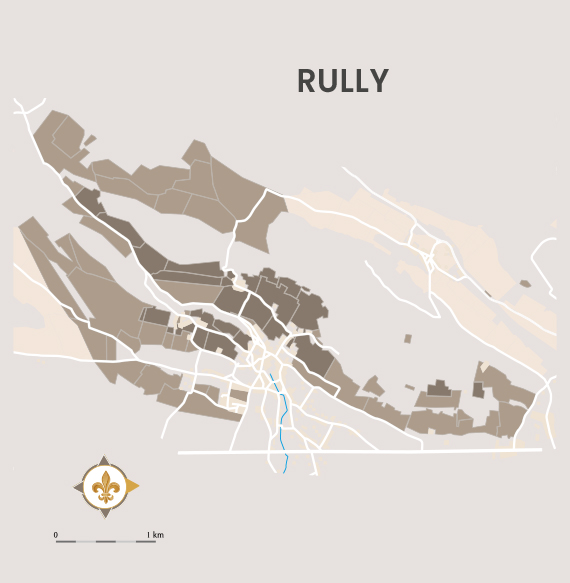
 PDF file