


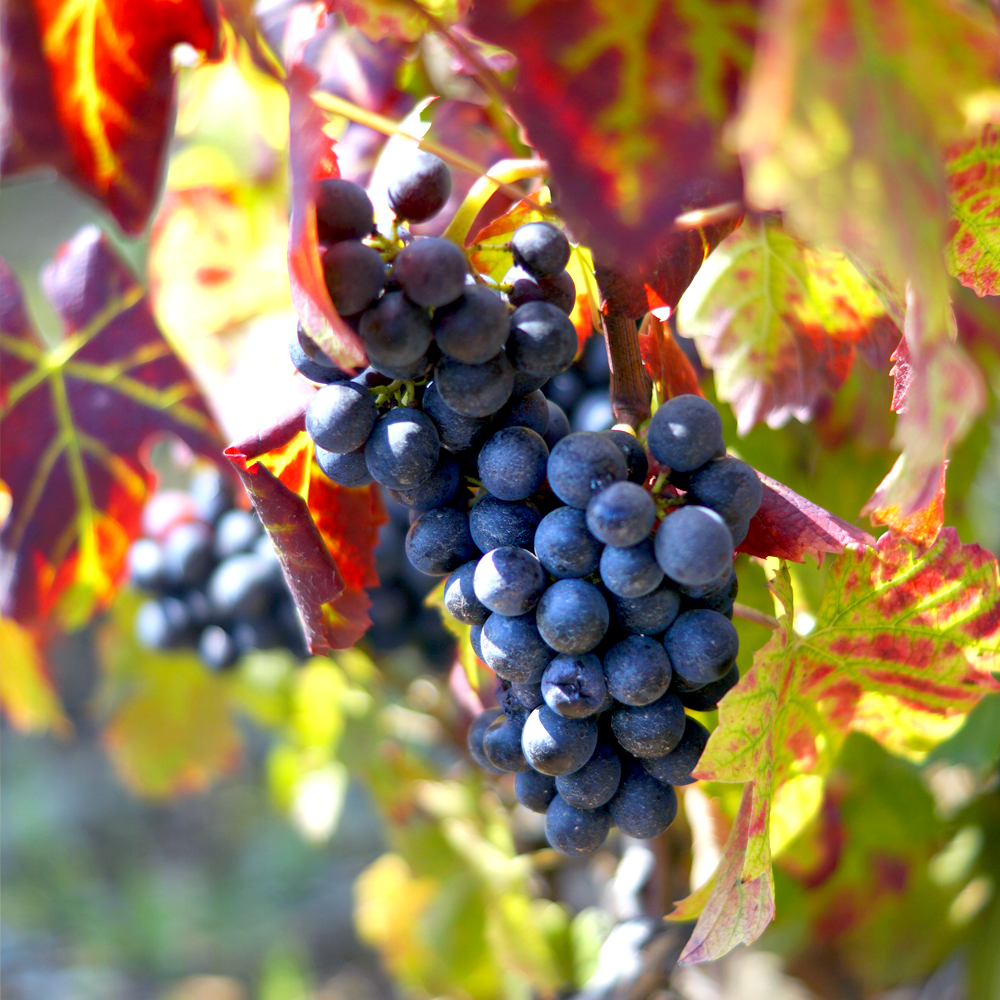
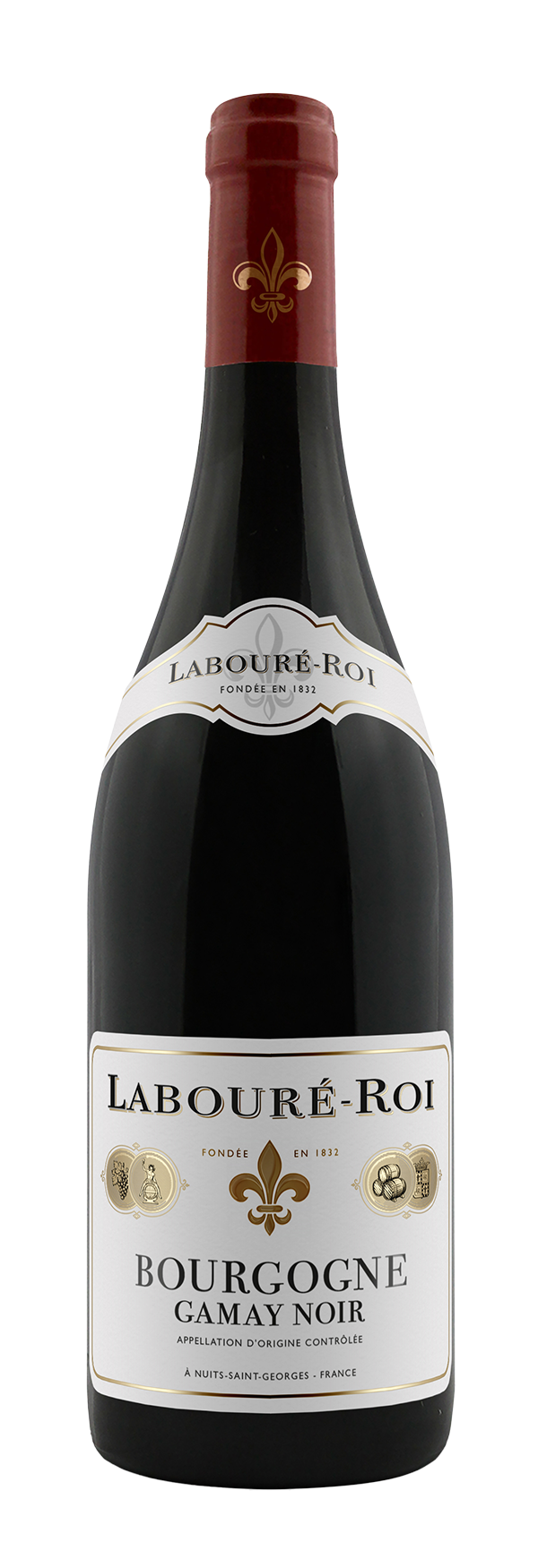
Gamay Noir.
Colour: Deep garnet red with purple highlights.
Bouquet: Intense nose with aromas of ripe black fruits (Burlat cherry, blueberry, blackcurrant), perfectly complemented by spicy and roasted notes.
Palate: full-bodied, combining fruit and spice, with silky, mellow tannins. Beautiful complexity with a smooth touch in harmony with the fruity aromas.
Perfect pairing with all type of delicatessen, cold and cured meats, red meat and cheese but also exotic dishes such as couscous, chili con carne, fajitas and tajine.
Serve at a temperature of around 15-16°C. (59-60°F.).
This wine is ready to drink now but can be kept for 2 to 3 years.
Bourgogne Gamay became a new regional appellation from the 2011 vintage.
The grapes must come exclusively from the Beaujolais Crus: Brouilly, Chénas, Chiroubles, Côte de Brouilly, Fleurie, Juliénas, Morgon, Moulin à Vent, Régnié and/or Saint Amour. Gamay from the vineyards of the Beaujolais and Beaujolais Villages appellations cannot be used in the case of this appellation.
Maceration lasted around 15 days under controlled temperature (25-28°C.) with regular cap punching and pumping over. After pressing, the temperatures are lowered in order to preserve the fruit aromas. The wine is then transferred into stainless-steel tanks for a major part to obtain a good balance maximum fruit flavours and the delicate wood brought by the other part of the cuvée which was aged in barrels. Malolactic fermentation was totally completed to bring roundness to the wine.
The year 2024 in Burgundy was marked by extreme weather conditions, including excessive rainfall and a significant lack of sunshine. These factors led to high disease pressure, particularly downy mildew, complicating the work of winegrowers. Episodes of frost and hail also caused substantial damage, especially in regions such as Chablis and the Auxerrois.
Yields were heavily impacted, with losses reaching up to 70% in certain areas. The Côte Chalonnaise proved more resilient, recording more limited losses. Overall, volumes are well below the usual average, reminiscent of the difficult 2021 harvest.
The late harvest required rigorous sorting to preserve quality. Despite the challenges, the harvested grapes reached excellent ripeness thanks to a sunny spell in September. The reds stand out for their richness and concentration, comparable to great vintages like 2010. The whites, characterized by their elegance, are reminiscent of the 2022 vintage.
Initial tastings reveal promising wines with concentrated aromas and fine structure. This vintage, though quantitatively limited, is shaping up to be a qualitative success.
 PDF file